
Probiotics vs. Prebiotics: What is the Difference for Gut Health?
Probiotics vs. Prebiotics: Finding Peace in Your Inner Garden
My years spent in quiet nutritional clinics exposed a persistent, quiet struggle among those desperate to soothe their aching bellies. Wandering down the supplement aisle felt to them like stepping into a noisy bazaar, thick with clinical jargon and empty promises. The core of their confusion almost always rested on untangling the riddle of probiotics vs prebiotics and how these two forces interact.
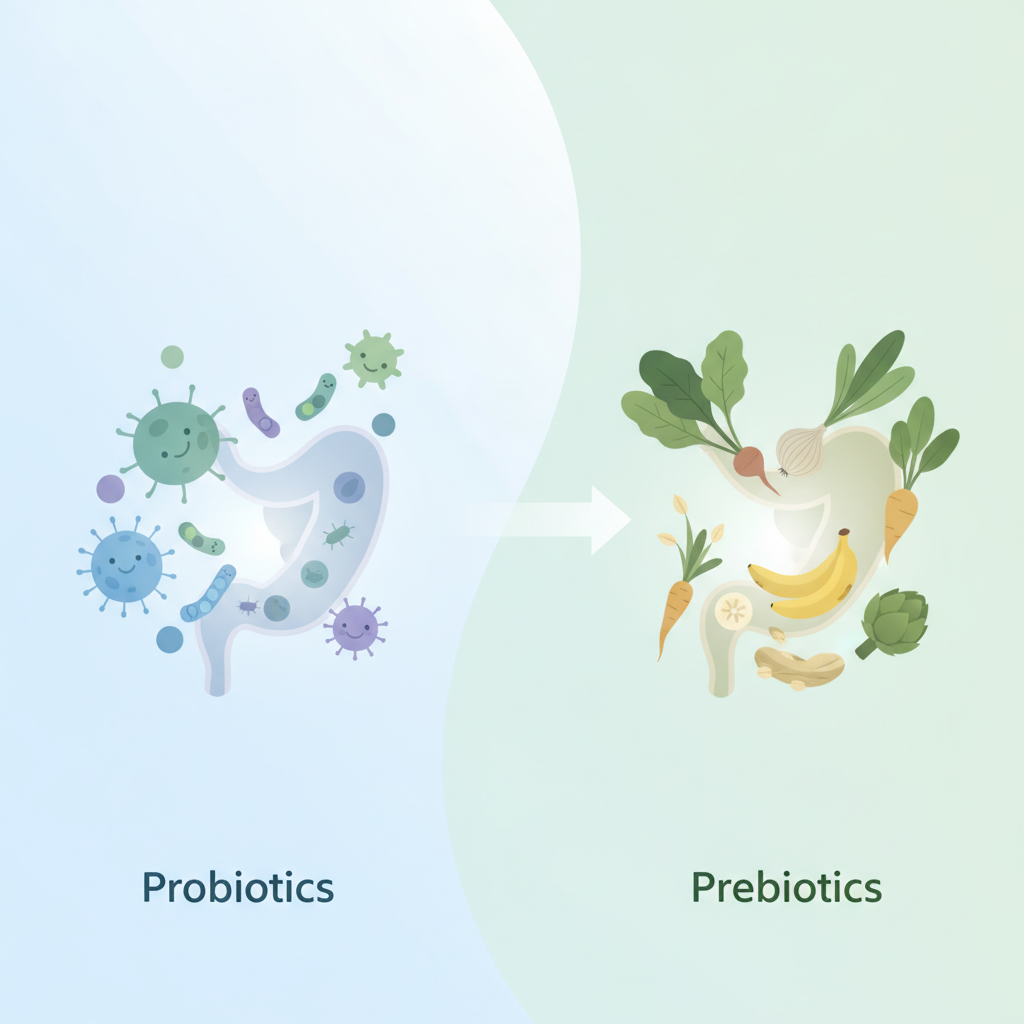
Picture your inner microbiome as a sprawling, microscopic metropolis teeming with trillions of tiny residents. For this unseen city to survive, you must provide both the workers to build the streets and the raw rations to feed them. Learning how these two elements live in harmony is the first real step toward true digestive peace.
This guide offers a clear, evidence-based map to untangle the separate duties of these digestive powerhouses. You will learn how to choose the right tools for your specific body and how to pair them for the best results. By the time we finish, the road to a quiet, happy stomach will lie wide open before you.
The Inner Garden of Your Stomach
A client named Sarah once walked into my office, frustrated that her expensive morning pills yielded absolutely no results. She swallowed billions of active cultures daily but lived entirely on processed, packaged convenience foods. Her gut had become a dry, barren desert where no friendly organism could take root, let alone multiply.
Sarah’s struggle highlights the stark contrast when we look at probiotics vs prebiotics in daily life. Probiotics are the live, helpful microbes that settle in your gut to ease digestion and defend your health. Prebiotics are the tough plant fibers your stomach cannot break down, which serve as the feast for those very microbes.
Without a steady supply of these fibrous feasts, your expensive supplements will simply starve and wash away. Yet, eating fiber without inviting the right microbial strains can leave your inner ecosystem thin and empty. True balance requires both partners to build a self-sustaining world inside you.
Think of your gut as a backyard garden. Probiotics are the delicate seeds you press into the soil, while prebiotics are the rich compost that feeds them. You cannot grow a lush lawn by scattering seeds on dry asphalt, nor will you get a harvest by watering bare dirt.
The Microscopic Science of Strains and Fibers
To understand this dance at a microscopic level, we must meet the individual players. Probiotics are not a single, uniform army but a varied collection of bacterial families and yeasts. The most deeply studied strains belong to the Lactobacillus and Bifidobacterium groups, which keep the colon at a healthy, protective acidity.
Every strain has its own specific job. For example, trials show that Lactobacillus rhamnosus GG shields the gut wall during harsh antibiotic treatments. Meanwhile, Bifidobacterium animalis DN-173 010 helps speed up slow digestion to ease occasional, uncomfortable blockages.
To keep these strains alive, your body needs a steady stream of specialized prebiotic starches. Eating items from a targeted prebiotic food list gives these friendly microbes the exact fuel they need to ferment and create vital short-chain fatty acids. This fermentation process drops the pH in your colon, turning it into a hostile zone for harmful invaders.
These fatty acids, especially butyrate, feed the very cells that line your large intestine. When these cells are well-fed, they form a tight, leak-proof barrier that keeps stray food particles and pathogens out of your bloodstream. This biological shield is vital to soothe systemic irritation and keep your immune system strong.
A rich prebiotic food list relies on these simple, natural ingredients:
- Chicory root, packed with high amounts of the soluble fiber called inulin.
- Dandelion greens, which slip easily into salads to help diversify your microbiome.
- Garlic and onions, which offer natural sugars that feed hungry Bifidobacterium.
- Slightly green bananas, loaded with resistant starch that reaches the colon intact.
- Whole oats, rich in beta-glucans that strengthen your defenses and nourish friendly bacteria.
The Powerful Way Microbes and Fibers Join Forces
Recent science has led researchers to blend these two elements into a single, smart therapy. This pairing of live bacteria with their favorite fiber fuel is called a synbiotic.
Studies at the University of Reading show that synbiotics alter the microbiome far better than either ingredient does on its own. This close bond ensures the new bacteria have a meal ready the moment they land in the colon. It cuts out the long waiting period, bringing quicker relief to an upset belly.
For anyone recovering from harsh antibiotics, this dual approach can speed up the healing of the gut wall. It avoids the common trap where new bacteria starve to death in an empty, depleted digestive tract. Using these dual formulas offers a simpler way to rebuild your energy and immune strength.
Researchers divide these combined therapies into two distinct groups. Complementary synbiotics contain ingredients that work independently to support different areas of your health. Synergistic synbiotics, by contrast, pair a specific live microbe with a selective substrate that only that strain can consume, giving it a massive head start.
Choosing Your Path to a Quieter Stomach
How you weave these elements into your life depends on your unique body and daily habits. Some people find success simply by eating whole foods, while others need specific, high-dose supplements to correct a deeply troubled gut. The best approach often pairs kitchen changes with high-quality, targeted strains.
A simple comparison makes it easy to see how to use these two distinct digestive tools. While both soothe the gut, they have different storage needs, eating schedules, and targets. Knowing these differences saves you money and helps you get the best results.
| Feature | Probiotics | Prebiotics |
|---|---|---|
| What they are | Living friendly bacteria and yeasts | Tough, complex plant fibers |
| Main Role | Bring living helpers into the digestive tract | Nourish the friendly microbes already inside you |
| Common Sources | Yogurt, kefir, sauerkraut, capsules | Garlic, leeks, chicory, rolled oats |
| Storage and Heat | Fragile in heat; often need to stay cold | Sturdy in heat; unaffected by cooking |
When shopping for these, temperature sensitivity is a major factor to keep in mind. Many premium microbial capsules must stay cold to keep the delicate bacteria alive until you swallow them. Prebiotic fibers, on the other hand, are tough, dry starches that sit happily on the shelf and survive hot cooking.
Dosing also looks completely different for these two digestive helpers. Microbes are counted in Colony Forming Units, usually ranging from one billion to over one hundred billion per capsule. Fiber is measured in grams, with studies pointing to five to eight grams a day to feed your inner allies.
Adding these to your diet too quickly can cause temporary bloating or mild gas. This happens because your resident bacteria are suddenly feasting on a rich banquet. Starting with tiny amounts and slowly building up over a few weeks gives your body time to adjust.
Your Plan for a Thriving Inner Ecosystem
Finding true comfort in your stomach requires seeing how live microbes and tough fibers work together. Instead of picking one over the other, treat them as partners in a lifelong dance. Building a daily routine around both elements sets the stage for a strong immune shield and easy digestion.
Your path to a happier gut starts with three clear steps:
- Add at least two items from the prebiotic food list to your meals to feed your current microbes.
- Pick trusted supplements with tested strains that match your personal symptoms.
- Talk with a supportive health professional to see if synergistic synbiotics could speed up your recovery.
Staying consistent is the secret to reshaping your inner world. By feeding and tending your microscopic garden every day, you will grow a resilient ecosystem that fuels your whole life.