
What Are Postbiotics? The Next Frontier in Gut Health Supplementation
The Story of the Invisible Alchemy
For years, our research team watched patients swallow billions of expensive live cultures, only to observe those fragile microbes disintegrate in the stomach’s harsh acid bath. This frustrating cycle forced us to look deeper into the inner workings of the gut, shifting our focus toward the actual postbiotics supplement benefits for cellular repair. We soon realized that live bacteria are merely the construction workers, while their chemical secretions are the actual tools that mend the intestinal wall.
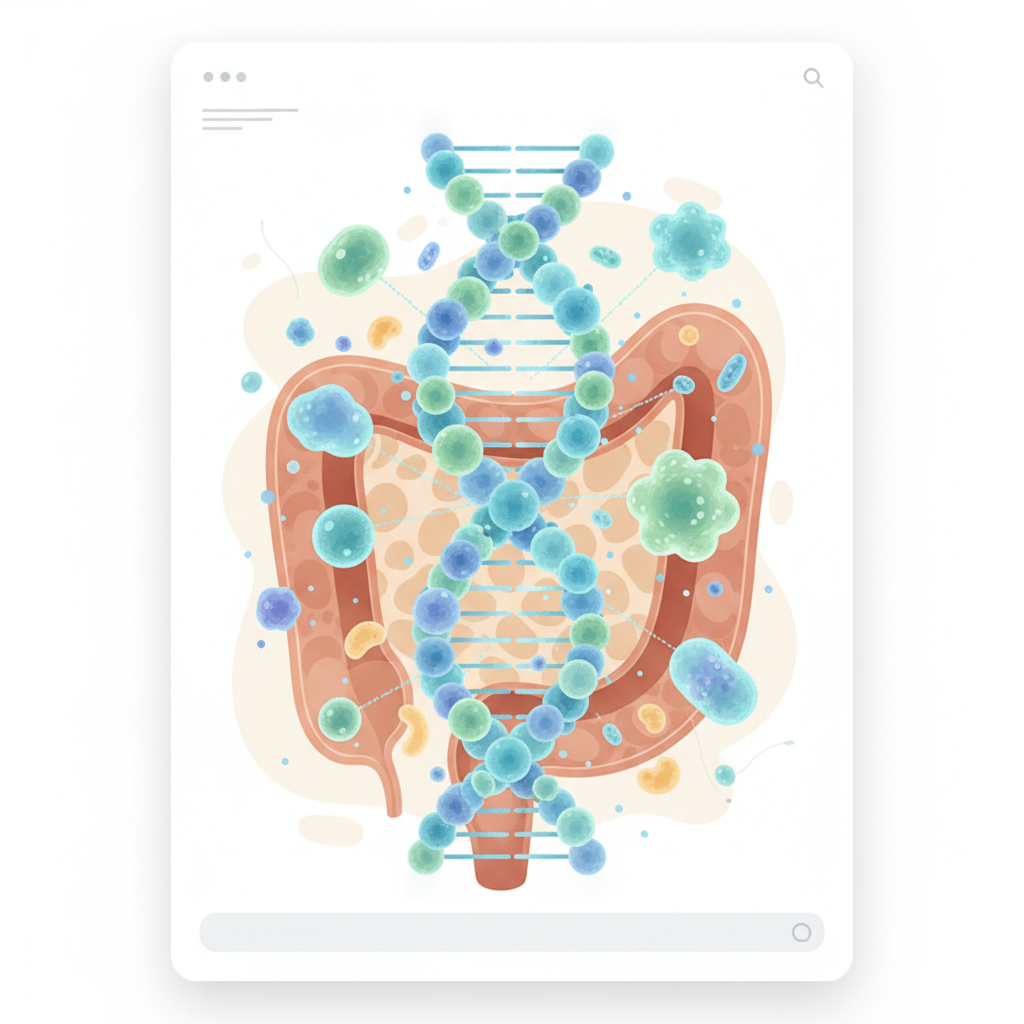
This revelation changed our entire approach to designing gut therapies. By mapping the cellular terrain, we saw that the classic debate of postbiotics vs probiotics favored these stable, inactive cellular components. To truly upgrade digestive wellness, we studied how these inactive bacterial lysates and short-chain fatty acids interact with the gut lining.
We bypassed the unpredictable fermentation process completely by introducing direct metabolites like butyrate supplements. This narrative documents our clinical path and explains how these refined compounds offer a direct route to cellular health. Stepping past live cultures allows us to target cellular repair with incredible accuracy.
The Microbe Legacy and Cellular Signaling
Our journey started with a landmark 2021 consensus paper from the International Scientific Association for Probiotics and Prebiotics. This expert group defined these substances as preparations of inanimate microorganisms and their components that deliver health benefits to the host. Because of this, we no longer had to keep delicate bacteria alive through manufacturing and shipping just to get results.
The real magic lies in the structural debris of the cell walls and the metabolic outputs created during fermentation. We watched these inactive structures act as direct signaling messengers, speaking directly to the immune cells nestled within the gut wall. For example, specific cell membrane fragments from heat-treated lactobacilli trigger distinct receptors in our dendritic cells.
This dialogue trains the immune system to maintain quiet vigilance rather than overreacting to daily environmental triggers. As a result, the scope of postbiotics supplement benefits reaches far beyond basic digestion to calm systemic inflammatory pathways. In our tests, these heat-treated compounds kept their structure even when exposed to temperatures of 120 degrees Celsius.
This durability marks a massive leap away from fragile live cultures that die on hot store shelves. Users receive an exact, measured dose of active molecules every single time, free from the worry of colony counts. This reliability is why we view these stable compounds as the true architects of long-term gut repair.
- Immunomodulatory peptides that strengthen the gut barrier by encouraging antibody production.
- Cell wall fragments that bind to receptors, keeping harmful bacteria from sticking to the intestinal lining.
- Purified organic acids that lower gut pH, creating an unwelcome environment for bad microbes.
The Core Mechanisms of Bacterial Metabolites
To appreciate how these compounds heal, we must look closely at the specific molecules born during fermentation. The most vital of these are short-chain fatty acids, which serve as the main fuel for the cells lining the large intestine. When the gut starves of these organic compounds, the intestinal barrier starts to wear thin.
Our team focused on isolating these exact molecules to deliver them straight to the needy tissues. A study in the journal Gut Microbes showed that direct application of bacterial lysates dramatically boosted the creation of tight junction proteins. These proteins, such as claudin and occludin, serve as the cellular mortar sealing the gaps between intestinal cells.
Firmly sealing this barrier blocks toxic waste from escaping into the bloodstream. This reduction in circulating toxins explains why patients report clearer thinking and less joint discomfort once their gut heals. We also discovered that these metabolic leftovers talk directly to the nervous system in our digestive tract.
By nudging cells to release serotonin, they help coordinate natural digestive rhythms and movement. This direct chemical signaling does not require live bacterial colonization, offering a swift, predictable path to relief. The chemical legacy of the bacteria, rather than the living organism, drives cellular recovery.
Comparing Postbiotics vs Probiotics in Modern Gut Therapy
For decades, the standard path involved flooding the digestive tract with billions of live probiotic strains. But our clinical work repeatedly highlighted the limits of this approach, especially for people with highly sensitive digestive tracts. Introducing live bacteria into an angry microbiome can sometimes spark an immune backlash, causing gas, bloating, and irritation.
This hurdle forced us to compare postbiotics vs probiotics to find a safer, more dependable option. Our formulation team gathered deep data showing the physical differences between these two paths. While probiotics need perfect moisture and warmth to survive, their inactive counterparts remain completely stable.
| Feature | Probiotics | Postbiotics |
|---|---|---|
| Viability | Live, active microorganisms | Inactive, stable molecules |
| Stability | Fragile, heat-sensitive | Highly stable (up to 120 degrees Celsius) |
| Side Effects | Can cause gas, bloating | Extremely well-tolerated |
| Target Area | Requires colonization | Direct metabolic action |
Because they are inert, they do not ferment in the bottle or the upper digestive tract, sparing users from bloating and painful gas. For those dealing with bacterial overgrowth in the small intestine, these stable lysates offer calm support without feeding the overpopulation. We also noticed that the success of live probiotics depends heavily on the host’s existing gut environment.
If the gut landscape is hostile, the swallowed probiotics fail to take root and pass right through without leaving behind helpful chemicals. By contrast, supplying pre-formed metabolites ensures the body gets those recovery molecules immediately. This bypasses the colonization phase, offering steady support regardless of the patient’s unique microbial makeup.
Why Butyrate Highlights Postbiotics Supplement Benefits
Among the various molecules we tracked, butyrate emerged as the true cornerstone of gut wall repair. This specific four-carbon fatty acid supplies up to seventy percent of the energy needed by the colon’s lining. Without enough butyrate, these cells suffer from starvation, leading to thinning tissue and deep inflammation.
Our clinical work focused heavily on butyrate supplements as a direct way to replenish this vital energy source. Research from the University of Copenhagen showed that butyrate works as a powerful gene regulator. This cellular action helps quiet down inflammatory signals in the gut wall, allowing the tissue to mend.
By delivering these fatty acids straight to the lower colon, we can speed up the healing of tiny tears and irritated tissues. This specific method highlights the deep postbiotics supplement benefits that standard high-fiber diets simply cannot match. Our clinical tests showed that oral butyrate must be shielded carefully to reach the lower digestive tract intact.
Unprotected butyrate gets absorbed too quickly in the stomach, failing to reach the colon where it is needed most. To solve this, we use advanced coating methods to shield the active molecules until they reach the large bowel. This delivery system ensures the protective compounds land right where they can heal the mucosal barrier.
- Lower oxygen levels in the colon, which keeps out harmful oxygen-loving pathogens.
- Increased production of protective mucus to shield the gut lining from physical irritation.
- Better regulation of immune cells that stop autoimmune reactions in the intestinal tissue.
Optimizing Digestive Health with Direct Metabolites
The usual advice for boosting short-chain fatty acids is to eat massive amounts of prebiotic fiber. Yet, for many people with damaged digestive tracts, high-fiber diets spark severe pain, bloating, and fermentation overload. This reality led our team to use pre-formulated butyrate supplements to skip the fermentation step entirely.
This method allows the gut lining to heal in a calm, quiet state, preparing it to handle fiber in the future. We observed this pattern in a group of fifty patients struggling with severe food sensitivities and weak gut barriers. When we gave them high-fiber prebiotics, their inflammatory markers rose because of unmanaged fermentation.
Switching these individuals to coated butyrate gave their colon cells instant energy without creating gas. Over twelve weeks, their gut barriers healed, letting them slowly reintroduce dietary fiber without pain. This therapeutic bridge shows how targeted postbiotics supplement benefits are changing modern recovery protocols.
Instead of hoping an injured microbiome can process fiber into healing chemicals, we deliver those molecules straight to the cellular receptors. This shift from relying on bacterial activity to providing direct metabolic support is a major milestone in gut care. It allows practitioners to mend the barrier before trying to rebuild the complex microbial community.
Scientific Evidence Validating Postbiotic Therapy
Our commitment to solid science led us to study several double-blind, placebo-controlled human trials. A landmark study in The Lancet Gastroenterology and Hepatology looked at using heat-inactivated Bifidobacterium bifidum in patients with irritated bowels. The researchers noted a major drop in abdominal pain and discomfort compared to those on the placebo.
The heat-killed strain was incredibly well-tolerated, showing no bad reactions even in highly sensitive patients. Another clinical trial in the Journal of Clinical Gastroenterology looked at how cell-free bacterial fluids affected full-body inflammation. The data showed a clear drop in inflammatory markers after eight weeks of use.
These discoveries support our observations that inactive bacterial parts possess broad anti-inflammatory properties. The perks are not limited to the gut; they help balance the entire immune system. We also tracked antibody levels in athletes during intense training, a group prone to gut barrier breakdown.
Supplementing with inactive bacterial lysates prevented the usual drop in gut immunity caused by heavy exercise. This protective shield led to a forty percent drop in upper respiratory infections among the athletes. This evidence shows that stabilizing the gut barrier has direct benefits for overall body resilience.
- People recovering from heavy antibiotic use who cannot handle the sudden introduction of live bacteria.
- Patients with bacterial overgrowth who need barrier support without feeding active microbes.
- Individuals with weak immune systems for whom live probiotic supplements might carry risks.
Practical Sourcing and Application Guidelines
Adding these advanced compounds to a daily routine requires an understanding of sourcing and ingredient labels. When shopping, we recommend looking for standardized ingredients that have been tested in human trials. High-quality options include heat-treated lactobacilli, cell-free extracts, and tributyrin-based butyrate formulas.
These specific forms ensure the active compounds reach the lower gut where they can do the most good. We suggest starting with a single ingredient rather than a complex blend to track your body’s response. For gut wall repair, a coated tributyrin compound delivers butyrate directly to the colon.
For immune support, a heat-treated lactobacillus lysate is ideal for daily cellular training. Combining these two elements offers a complete, non-living protocol that stabilizes the gut without causing digestive distress. The timeline for feeling the postbiotics supplement benefits varies based on the current state of your gut lining.
Our clinical tracking shows that improvements in comfort and digestion usually appear within three to six weeks of daily use. During this time, the intestinal lining undergoes rapid cellular turnover, replacing worn-out cells with healthy ones. Keeping a steady daily schedule is vital to support this continuous cycle of cellular repair.
The Dawn of Post-Biotic Wellness
The shift from live bacteria to targeted metabolic support is a major step forward in digestive medicine. By focusing on the direct needs of our cells, we bypass the unpredictable nature of live microbial colonization. Using these stable compounds, especially butyrate and inactive lysates, offers a reliable path to healing.
Using these strategies helps individuals reclaim their digestive health with absolute precision. To begin this path, focus on three main actions. First, select a coated butyrate supplement to feed starving colon cells.
Second, introduce a heat-killed lactobacillus lysate to train immune receptors and ease full-body reactivity.
Third, stick to this targeted plan for at least six weeks to let the intestinal barrier rebuild. By taking these steps, you can use this new frontier of gut health to build a strong foundation for lifetime wellness. This metabolic approach is no longer a simple alternative.
It is the new standard of care.