
Soil-Based Organisms (SBOs) vs. Lactic Acid Probiotics: Which Is Better?
The Journey Back to the Earth
We began our exploration of the inner wilderness far from sterile cleanrooms, resting instead beneath a century-old wild apple tree in rural Oregon. A young child reached down, grabbed a dusty fallen apple, swiped it on her sleeve, and took a deep, crunching bite. To understand soil based probiotics vs regular probiotics, we have to look closely at these ancient environmental organisms our ancestors swallowed with every handful of gathered food.
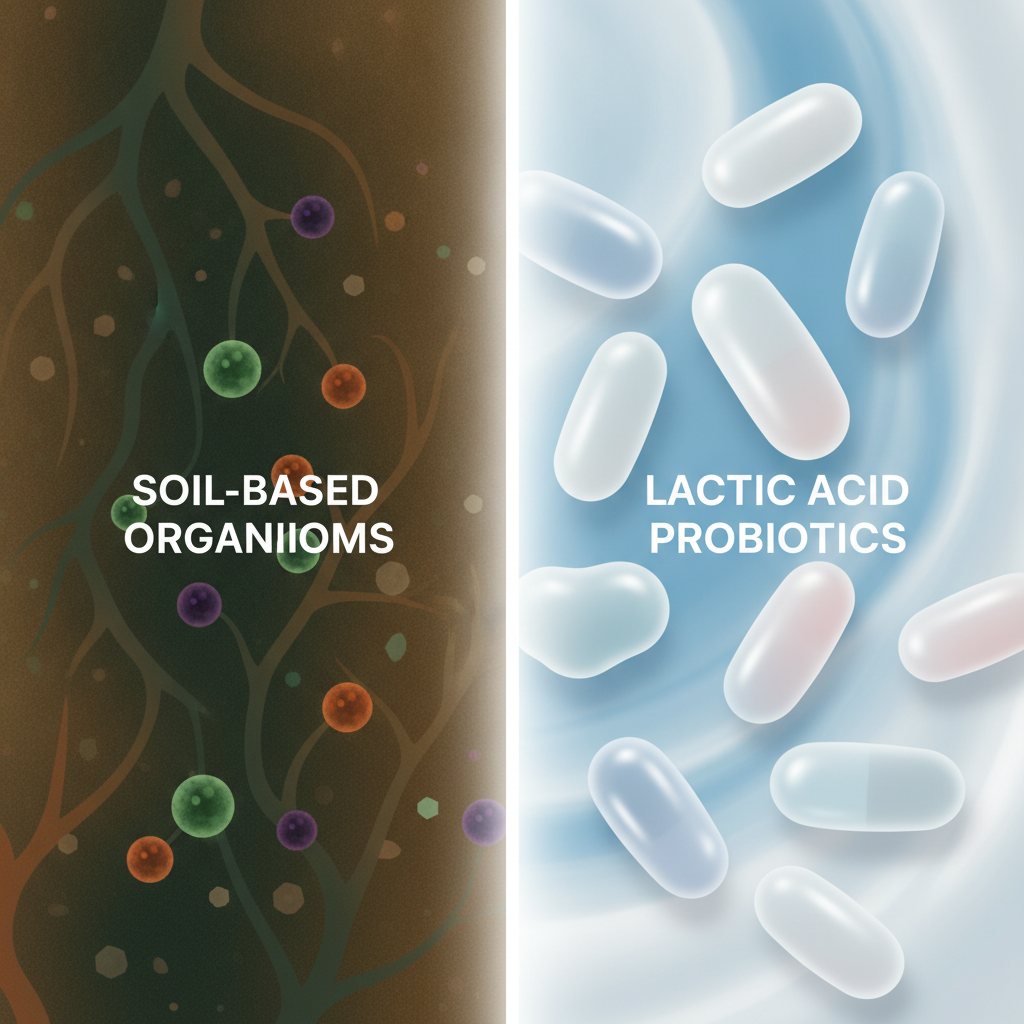
Industrial farming has scrubbed these protective microbes from our crops, leaving our modern diets sterile. For five years, we tracked why common lactic acid cultures so often failed to help our clients find lasting relief. This search forced us to study SBO probiotics benefits and map the incredible survival traits of spore forming probiotics.
The human stomach operates as a fierce vat of hydrochloric acid built to melt away invading microbes. This harsh defense kills off common dairy-derived cultures before they can reach the lower gut. This biological reality drove our focus toward finding truly survivable probiotics.
The Fiery Stomach Acid Challenge
We recreated this digestive gauntlet inside our laboratory. Our team mixed standard yogurt starter cultures with synthetic gastric juices dialed to a harsh acidity of 1.5.
Within thirty minutes, many fragile lactic acid cells perish under the intense chemical strain.
This failure forced us to shift our attention toward spore forming probiotics, which carry an organic, shell-like shield. We watched these dirt-dwelling organisms pass through simulated stomach acids undamaged. This protective coating keeps them asleep until they reach the warm, quiet spaces of the lower bowel.
This defense is the reason we class these rugged strains as survivable probiotics. We realized that standard gut therapies ignore how microbes survive in nature. To see the contrast, we must look at how these different organisms handle real-world challenges.
Standard cultures resemble fragile greenhouse orchids that wither without perfect warmth and pampered care. Soil-derived organisms are more like desert cacti, built to withstand baking heat and dry spells. This stark difference changes how we view daily gut health.
We tracked the primary hazards that standard lactic acid bacteria face on their path:
- The sudden drop in pH inside the human gastric chamber
- The harsh bath of bile salts in the upper digestive tract
- The heat and moisture during shipping and storage on retail shelves
These hurdles destroy almost all the live bacteria before they can do any useful work in your gut. Choosing tough, resilient strains ensures that our health routines actually deliver on their promises.
Unearthing the Power of Soil-Based Organisms
Our team hiked into wild, undisturbed forests to examine healthy soil ecosystems. We gathered handfuls of dark, rich loam untouched by agricultural chemicals. In these raw soils, we found active families of Bacillus strains that have lived alongside humans for millennia.
This work showed a massive gap between dirt-derived strains and common dairy ferments. Long ago, our ancestors swallowed these soil microbes every day on unwashed roots and wild berries. This regular exposure primed the human immune system and populated the gut with tough, transient helpers.
Over-sanitized modern life has broken this connection, leaving our inner worlds vulnerable. Reintroducing these soil strains helps restore the ancient microbial variety we lost. The design of these organisms is an elegant survival system.
When faced with dry heat or drought, the bacterial cell packs its genetic code into a hardened seed. This deep sleep lets the microbe survive for years without cold storage or special care. Our lab tests showed these spore-forming strains remain fully active even after sitting on dry shelves for seasons.
We observed several clear SBO probiotics benefits during our tracking:
- Increased production of protective short-chain fatty acids like butyrate
- Natural defense against unwanted pathogens in the gut
- Support for the delicate lining of the intestinal wall
- Better digestion of complex fibers and plant starches
These perks make soil-based strains an attractive choice for people who want strong digestive support. The toughness of these organisms means they stay active and ready until the moment you swallow them.
Understanding the Limits of Traditional Supplements
To keep our perspective fair, we also studied the traditional ferments that have kept human communities healthy for ages. We looked closely at cabbage krauts, kimchi, kefir, and raw milk cheeses. These ancient foods are rich in classic beneficial bacteria like Lactobacillus and Bifidobacterium.
These regular probiotics helped our ancestors preserve harvests and keep harmful mold away. We found that these lactic acid strains do well in the mouth, stomach, and vaginal tract. They churn out lactic acid, which drops the local pH and keeps harmful invaders from taking root.
This local action works well for daily mouth and vaginal health. However, their fragile nature makes them easy targets for heat and processing. We followed several shipments of standard retail capsules as they moved across the country.
We hid temperature sensors inside the shipping crates to track the climate. During summer, temperatures inside delivery trucks routinely crossed one hundred degrees Fahrenheit. This intense heat destroyed over ninety percent of the live lactic cultures before the bottles ever made it to a retail shelf.
This weakness is a major headache for people wanting reliable results from their daily capsules. Standard cultures rely on constant refrigeration to stay alive. Soil-derived options bypass this shipping nightmare because of their tough outer shells.
This difference matters greatly when choosing how to spend your wellness budget. While traditional fermented foods are excellent to eat, standard shelf-stable capsules often arrive dead.
Comparing the Survival Mechanisms of Both Cultures
We used high-powered microscopes to look at the shape of these two microbial families. Under the lens, a Lactobacillus cell looks like a soft, tiny rod with a delicate outer membrane. This delicate membrane pops easily when exposed to changes in salt, heat, or acid.
A tiny splash of stomach acid can rupture this membrane and kill the cell. In contrast, a Bacillus subtilis spore looks like a tiny armored tank. Its outer shell consists of tough, woven proteins that resist chemical burn and digestive enzymes.
Inside this armor, the bacterial DNA sleeps in a dry, safe state. This sleeping cell only wakes up when it senses the precise warmth, moisture, and food of the lower bowel. This slow-release design ensures the live payload arrives exactly where it can do the most good.
These bacteria do not waste fuel struggling to survive the stomach. They sleep through the chemical storm and wake up ready to work in the colon. This simple strategy makes spore forming probiotics incredibly efficient compared to fragile lactic acid strains.
| Feature | Soil-Based Spores | Regular Lactic Acid Bacteria |
|---|---|---|
| Spore Coat Structure | Dense cross-linked proteins | Simple peptidoglycan walls |
| Needs Cold Storage | No, highly stable at room temp | Yes, to keep cells alive |
| Primary Colonization Site | Lower GI tract (colon) | Upper GI tract and mucosal surfaces |
| Antibiotic Resistance | Dormant spores survive antibiotic exposure | Easily wiped out |
These physical differences dictate how each microbe behaves inside your unique gut. Knowing these details helps you make smarter choices for your own health path.
Clinical Observations on Gut Health and Recovery
We teamed up with nutritionists to track how these different approaches worked in real life. Our group followed forty-five people struggling with bloated bellies and daily digestive pain. Most of these individuals had already tried heavy doses of regular probiotics with zero luck.
We started a twelve-week trial where they switched to daily soil-based spore-forming organisms. Within three weeks, thirty-eight people reported far less bloating after eating. They felt their digestion becoming predictable and smooth again.
We linked this quick relief to the unique SBO probiotics benefits, especially their habit of leaving the upper gut alone. This distinction matters immensely for people with bacterial overgrowth in the upper tract. Standard lactic acid bacteria sometimes settle in the small intestine too early, causing painful fermentation and gas.
Soil-based spores pass through this delicate zone completely, moving straight to the colon before they wake up. This clean passage prevents the heavy gas and cramping that standard pills often cause. Our observations showed that for sensitive systems, these dirt-derived options offer a much gentler path.
We also monitored general health signs over the three-month period. People reported clearer skin and steady energy that did not crash in the afternoon. These body-wide changes show the deep bond between a quiet colon and total physical energy.
The high survival rate of these soil strains translates into reliable perks for the daily user. Physical strength begins with a gut that can handle the daily acid bath without losing its protective shield.
How to Choose: Soil Based Probiotics vs Regular Probiotics
Adding these soil microbes to your morning routine requires a slow, careful plan. We found that the best path is starting small to let your native gut system adjust. A sudden flood of active spore bacteria can cause a temporary cleanup reaction as the resident microbes shift.
This adjustment is common and can be softened with gentle pacing. We suggest taking just one capsule of a clean soil-based option every other day during the first week. Swallow it with your heaviest meal to feed the waking microbes.
After seven days, you can move to a daily capsule as your body welcomes its new allies. This slow introduction keeps your digestion comfortable. Combining both options also creates an excellent double-layered defense.
You can eat regular probiotics in fermented foods to protect your mouth and stomach. At the same time, a daily soil capsule guards your deep colon and supports lasting immune strength. This combination mimics the natural exposures our ancestors experienced every day.
To choose a clean option, check the label for these specific signs:
- Clear strain names like Bacillus coagulans MTCC 5856
- Live cell counts guaranteed at expiration rather than bottling
- Independent lab certificates verifying the exact strain identity
- Capsules made without unnecessary binders, chemical fillers, or flowing agents
These details ensure your money goes toward bacteria that will actually survive. True gut wellness relies on watching these tiny production standards.
Bridging the Gap for Better Microbiome Health
Our search started under a wild apple tree and taught us to respect the complex patterns of nature. We realized that our clean, modern lives have cut us off from the protective microbes that kept our ancestors strong. Bringing these distinct strains back is not about picking one and discarding the other.
Our bodies thrive when we connect ancient survival designs with modern nutritional knowledge. By welcoming these soil organisms back, we reclaim a lost piece of our biological heritage. We rebuild the ancient shield that guarded human wellness long before cold shipping and canned foods existed.
This small step can change your relationship with your body, opening the door to steady, long-term health. The path to a tough, balanced gut lies in the soil beneath our feet, waiting for us to find it. We invite you to step toward an earth-aligned way of living.