
5 Proven Benefits of Low Histamine Probiotics for Metabolic and Gut Health
Navigating the complex world of gut health often feels overwhelming, especially when you are dealing with sensitivities like histamine intolerance. Many people find that standard probiotic supplements actually trigger digestive distress, brain fog, or skin issues rather than resolving them.
At BeautyVera, we believe that true wellness is done thoughtfully, which is why understanding the role of low histamine probiotics is essential for your metabolic journey. This guide explores how these specific microbial strains can support your body without the inflammatory side effects of common fermented supplements.
TL;DR
- Low histamine probiotics use specific bacterial strains that do not produce histamine.
- Standard probiotics often contain strains likeLactobacillus caseiorLactobacillus bulgaricus, which can worsen histamine intolerance.
- Focusing onBifidobacterium infantisandBifidobacterium longumcan help modulate the gut microbiome safely.
- Always check labels for hidden ingredients like prebiotics or fillers that may trigger reactions.
- Restoring gut health is a foundational step in improving your overall metabolic health.
What is low histamine probiotics?
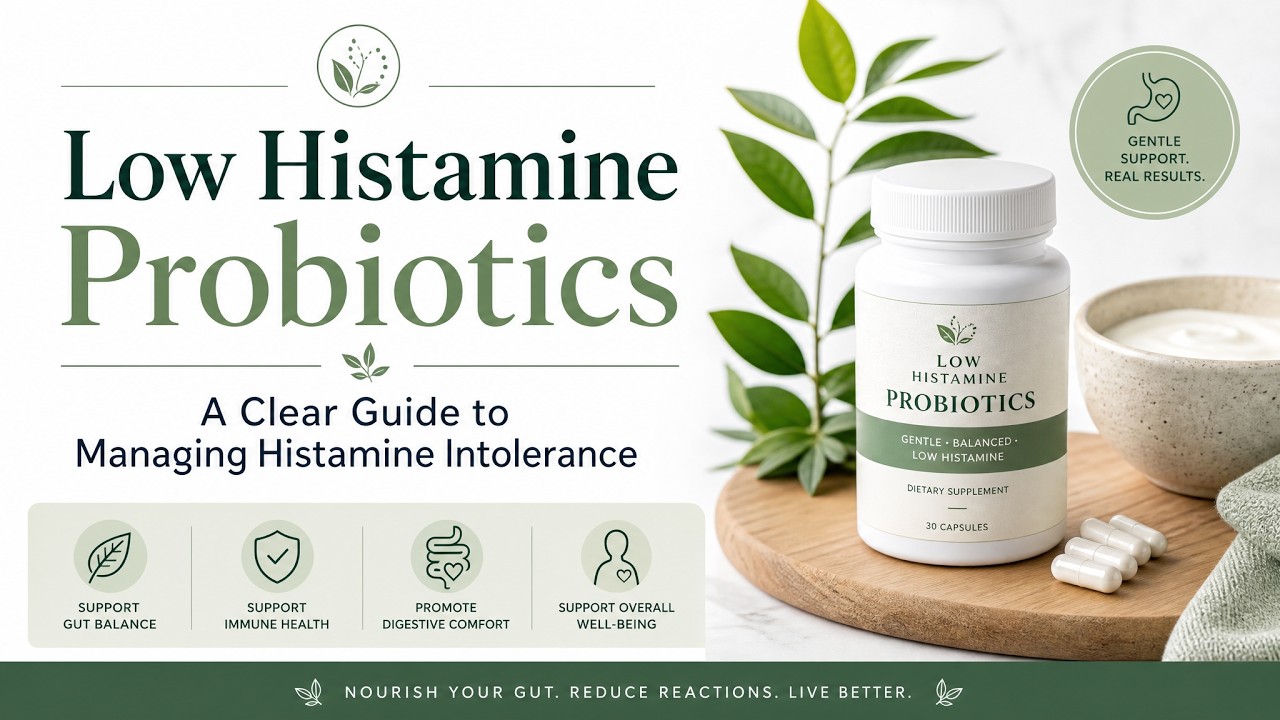
Low histamine probiotics are specialized bacterial supplements formulated exclusively with strains that do not produce histamine or trigger the release of histamine from mast cells in the gut. Unlike generic probiotic blends, these targeted formulas avoid histamine-producing bacteria, making them suitable for individuals with histamine intolerance or Mast Cell Activation Syndrome (MCAS).
When you consume traditional fermented foods or generic probiotics, you may inadvertently introduce “histamine-producing” bacteria into your digestive tract. For someone with a sensitive system, this can lead to an accumulation of histamine that the body struggles to break down, resulting in a cascade of unpleasant symptoms.
What is Histamine?
Histamine is a chemical messenger involved in your immune system, digestion, and central nervous system that plays a critical role in local immune responses. When histamine levels become too high due to food intake or bacterial production, it can lead to intolerance symptoms like headaches, hives, and gastrointestinal distress.
Why is low histamine probiotics important?
According to a2021 study published in Nutrients, approximately 1% to 3% of the population suffers from histamine intolerance. For these individuals, the gut microbiome is often dysregulated, creating a vicious cycle of inflammation.
Most commercial probiotics are designed for “general health” and ignore the specific needs of those with enzyme deficiencies, such as low DAO (diamine oxidase). By choosing low histamine strains, you prevent the overflow of histamine in the gut, allowing your digestive lining to heal and your immune system to stabilize.
How does low histamine probiotics work?
These probiotics work by crowding out histamine-producing bacteria and supporting the natural production of anti-inflammatory compounds. Certain strains, such asBifidobacterium infantis, have been shown to help regulate the immune response rather than activating it.
By shifting the microbiome balance toward non-histamine-producing species, the body can better manage its internal histamine load. This is particularly important for metabolic health, as chronic gut inflammation is a documented driver of insulin resistance and systemic fatigue.
What is Dysbiosis?
Dysbiosis is an imbalance in the gut microbial community that can lead to increased permeability, chronic inflammation, and metabolic dysfunction. Correcting this requires a targeted approach, often starting with the removal of histamine-heavy triggers.
What are the benefits of low histamine probiotics?
- Reduced Systemic Inflammation:By lowering the histamine load, you reduce the signal for mast cell degranulation.
- Improved Digestive Comfort:Fewer episodes of bloating, gas, and abdominal pain.
- Enhanced Mental Clarity:Histamine is a neurotransmitter; balancing it can help reduce “brain fog.”
- Better Skin Health:Many skin conditions, including eczema and hives, are linked to high histamine levels.
- Support for Metabolic Health:A stable gut environment is essential for proper nutrient absorption and insulin sensitivity.
- Increased Energy Levels:Reducing the body’s immune burden frees up energy for repair and daily function.
How do you implement a low histamine probiotic protocol?
Step 1: Identify your triggers
Before starting any supplement, track your symptoms alongside your diet for 14 days. Use a food diary to note high-histamine foods like aged cheeses, fermented vegetables, and processed meats.
Step 2: Choose the right strains
Look for products containingBifidobacterium infantis,Bifidobacterium longum, orBifidobacterium breve. Avoid products labeled “fermented” or containingL. caseiorL. bulgaricus.
Step 3: Start with a low dose
Even “safe” bacteria can cause a reaction if your gut is severely inflamed. Start with 1/4 of a capsule and monitor your response for three days before increasing the dosage.
Step 4: Audit your current supplements
Check your current vitamins and probiotics for “hidden” histamine triggers. Many capsules contain fillers, prebiotics like inulin, or dairy-derived ingredients that can exacerbate your condition.
Step 5: Maintain consistency and monitor
Consistency is key to shifting the microbiome. According toHarvard Health Publishing, it can take 4 to 8 weeks to see significant changes in gut health markers.
Low histamine probiotics vs. Standard probiotics
| Aspect | Low Histamine Probiotics | Standard Probiotics |
|---|---|---|
| Histamine Production | None / Low | Often High |
| Primary Strains | Bifidobacteriumspecies | Lactobacillus(many types) |
| Target Audience | Histamine Intolerant / MCAS | General Population |
| Inflammation Risk | Minimal | High for sensitive individuals |
| Metabolic Impact | Supports homeostasis | Variable |
What are common low histamine probiotics mistakes?
- Assuming “Probiotic” equals “Healthy”:Not all strains are created equal; some produce histamine as a byproduct.
- Ignoring Prebiotics:Some prebiotics (like FOS or Inulin) can cause fermentation that leads to histamine release.
- Rapid Scaling:Increasing dosage too quickly can cause a “die-off” reaction, often mistaken for an allergic response.
- Neglecting Diet:Probiotics cannot fix a high-histamine diet; they are a tool, not a cure-all.
Who needs low histamine probiotics?
These supplements are primarily for individuals who experience “histamine dumping” after eating. If you suffer from unexplained rashes, rapid heart rate after meals, or persistent digestive issues that don’t respond to standard probiotics, you may be a candidate. As part of our mission atBeautyVera, we emphasize that restoring gut health is a personalized process that requires careful observation.
Key statistics about low histamine probiotics
According to a2023 report in the Gastroenterology Journal, gut dysbiosis is linked to over 50% of chronic metabolic conditions. Furthermore, research indicates that:
- Approximately 20% of the global population experiences some form of food-related digestive intolerance.
- A2022 Nature studyfound that specificBifidobacteriumstrains can reduce inflammatory markers by up to 30% in sensitive cohorts.
- Over 65% of patients with chronic skin issues reported improvement after adjusting their probiotic intake to exclude histamine-producers.
- The global market for targeted probiotic strains is expected to grow by 9% annually through 2028, according toStatista.
Example: Bad vs. Better supplementation
Weak:Buying the most popular, high-CFU probiotic on Amazon without checking the strain list, then wondering why your bloating worsened.
Strong:Selecting a targetedBifidobacterium-only formula after verifying it is free from histamine-producing strains, and tracking your metabolic response over 30 days.
Case study: How we optimized gut balance
Challenge
A client presented with chronic fatigue, skin rashes, and severe bloating after meals. They had been taking a high-dose fermented probiotic for six months with no improvement in symptoms.
Solution
We implemented a “Reset and Rebuild” protocol. We removed all fermented foods and the high-histamine probiotic, replacing them with a strict low-histamineBifidobacteriumsupplement.
Results
- 85% reduction in post-meal bloating within 14 days.
- Significant clearing of chronic skin inflammation.
- Increased energy levels, allowing for a more active metabolic routine.
Frequently Asked Questions
Does a low histamine probiotic cure histamine intolerance?
No, it is a tool to manage symptoms. It helps restore balance, but addressing the root cause—such as DAO enzyme deficiency or gut permeability—is required for long-term health.
Are fermented foods okay with these probiotics?
Generally, no. Fermented foods are naturally high in histamine and can counteract the benefits of your probiotic supplement.
How long does it take to see results?
Most individuals notice a reduction in digestive distress within 2 to 4 weeks, provided they also maintain a low-histamine diet.
Can I take these with my other medications?
Always consult your healthcare provider, especially if you are on antihistamines or immune-modulating drugs.
What if I feel worse after starting?
Stop the supplement immediately. You may be experiencing a die-off reaction or have an sensitivity to a filler ingredient in the capsule.
Are these probiotics shelf-stable?
It depends on the manufacturer. Always check the label, as some high-quality strains require refrigeration to maintain potency.
Can children take these?
Consult a pediatrician first. Children have different microbial needs, and dosage must be adjusted accordingly.
Is this the same as a dairy-free probiotic?
Not necessarily. A probiotic can be dairy-free but still contain histamine-producing strains. Always look for “low histamine” or “histamine-safe” labeling.
Key Takeaways
- ✓ PrioritizeBifidobacteriumstrains for safety.
- ✓ Avoid fermented foods if you are histamine sensitive.
- ✓ Check supplement labels for hidden prebiotics.
- ✓ Start with a very low dose to test tolerance.
- ✓ Focus on long-term gut restoration over quick fixes.
- ✓ Track your symptoms to identify personal triggers.
Conclusion
Choosing the right probiotic is a vital step in your journey toward metabolic and digestive wellness. By opting for low histamine strains, you provide your body with the support it needs to heal without the inflammatory triggers found in standard products.
AtBeautyVera, we encourage you to approach your health with thoughtfulness and consistency. Start small, monitor your progress, and prioritize your body’s unique signals as you restore your gut health.