
The Role of L-Glutamine in Repairing Leaky Gut Syndrome
Sarah spent three exhausting years dragging herself from one specialist to the next, desperately searching for some explanation for the heavy fog in her brain, the migrating pain in her joints, and the constant, painful bloating. Every standard blood test and routine scan came back completely normal. Yet, her body was visibly wasting away, and her vitality slipped further out of reach each day.
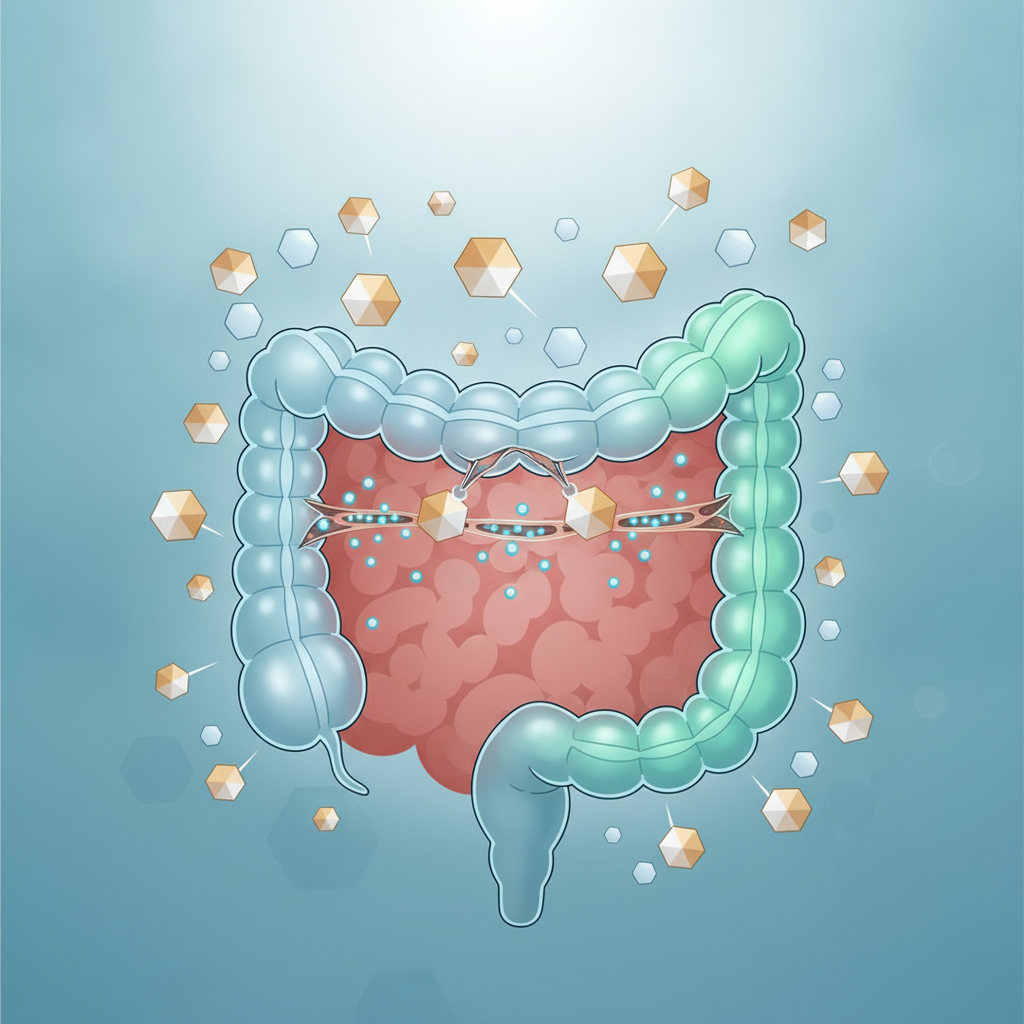
Her turning point arrived when we looked past the standard clinical markers and decided to examine the physical integrity of her gut wall. This exploratory path showed us how a single, humble amino acid could rebuild her damaged digestive tract from the microscopic level upward.
Learning how to use l-glutamine leaky gut repair protocols became the single most important decision of her healing journey. This guide walks you through the exact science, clinical routines, and daily habits needed to mend a compromised intestinal barrier.
Adopting these routines offers a clear, reliable path to reclaiming your digestive health and full-body vitality.
The Science of L-Glutamine Leaky Gut Repair
The human intestinal tract is lined with a delicate, single-cell layer of enterocytes that serves as the main guardian for your entire system. These cells are locked together by tiny protein structures known as tight junctions, which keep harmful microbes and undigested food particles out of your bloodstream.
When these microscopic gates fail, the resulting intestinal leakage triggers widespread immune reactions and constant, low-grade irritation. This cellular breakdown acts as the root driver for a host of modern autoimmune and digestive struggles.
During our clinical work, we noticed that Sarah’s elevated zonulin levels pointed directly to her widespread physical symptoms. Zonulin is a signaling protein that instructs the tight junctions to swing wide open, letting cellular waste spill directly into her bloodstream.
To halt this damaging cycle, her gut cells desperately needed a highly specific source of energy to rebuild their physical walls. That vital fuel is l-glutamine, an amino acid that serves as the main food source for the delicate cells lining the small intestine.
A notable 2015 study in the journal Nutrients showed how starving gut cells of this amino acid causes tight junction proteins to fall apart rapidly. The research team observed that cellular starvation led to a steep drop in claudin-1 and occludin, the physical seals that keep the gut wall secure.
Feeding the cells this single nutrient restored these vital proteins and patched up the barrier within a matter of hours. This clear molecular proof explains why l-glutamine leaky gut protocols are so highly regarded by clinical nutrition experts.
The lining of your digestive tract is incredibly busy, replacing its entire cellular structure every three to five days. This rapid regeneration process demands an immense amount of metabolic energy and raw materials.
Without a steady supply of specific amino acids, the body simply cannot build new cells fast enough to replace the damaged ones.
- Spiking levels of circulating zonulin in blood panels, showing that the cellular gates are standing wide open
- A rise in full-body irritation markers, including high-sensitivity C-reactive protein
- Poor absorption of vital fat-soluble nutrients like vitamins A and D, caused by worn-down intestinal villi
- Sudden, unpredictable immune reactions to everyday foods that used to cause zero issues
Setting Up a Safe Recovery Plan
Moving from theory to a daily routine requires careful steps and incredibly clean sourcing. For Sarah, we mapped out a gradual strategy to ensure her body could absorb and use the nutrient without triggering any digestive pushback.
Her routine focused on using pure, free-form powder instead of capsules to maximize direct contact with her digestive tract. This immediate contact allows the cells of the small intestine to drink in the nutrient right away through specialized transport pathways.
When you take the powder makes a massive difference in how well it works. Drinking it on an empty stomach ensures that other amino acids from your food do not crowd the entryways or block absorption.
We had Sarah drink her mixture thirty minutes before her morning meal and at least two hours after her final bite at night. This precise window allowed her cells to absorb the healing nutrient without any interference from regular dietary proteins.
Water temperature is another small but vital detail that protects the molecular structure of the powder. Stirring this sensitive amino acid into piping hot liquids like coffee or tea breaks down its delicate bonds, making it useless for healing.
Sticking to cool or room-temperature filtered water keeps the nutrient active, delivering the full cellular benefits right where they are needed.
Many people try to get enough of this repair agent solely through foods like slow-simmered bone broth or grass-fed meats. While these foods are excellent for ongoing maintenance, they lack the dense, concentrated strength required to seal an actively leaking barrier.
Targeted leaky gut supplements provide the high-potency doses needed to overcome chronic tissue depletion and speed up the healing process.
- Choose a clean, allergen-free, free-form powder to steer clear of unwanted fillers and binders
- Stir the powder only into cool or room-temperature liquids to protect its delicate chemical structure
- Take your doses on an empty stomach so other proteins do not block its path
- Keep to a steady daily schedule to ensure a constant supply of fuel for your rebuilding gut cells
Fine-Tuning Your Progress with Precise Dosing
Finding the right l-glutamine dosage for gut healing is an individual process that depends heavily on how damaged the intestinal wall is. A basic dietary level works fine for daily health, but real cellular repair requires much higher, therapeutic amounts.
Clinical routines usually call for fifteen to thirty grams a day, split into several smaller servings. This divided approach ensures that your body has a steady supply of building blocks from morning until night.
For Sarah, we started her journey with a gentle dose of five grams a day to see how her body reacted. Some people with severe gut imbalances or sensitive nervous systems might feel a touch of anxiety or sluggish digestion if they introduce high doses of amino acids too quickly.
Stepping up her intake by five grams every three days gave her body plenty of time to adapt comfortably. Within two weeks, Sarah hit her target amount of twenty grams a day without a single unwanted symptom.
A trial published in the journal Gut in 2019 backed up this gradual approach. Researchers followed patients dealing with lingering bowel issues and proven intestinal permeability over an eight-week span.
The group taking fifteen grams of this amino acid daily saw a massive drop in gut leakage and a welcome return to normal daily digestion. This study shows the real-world value of sticking to a structured, high-dose routine for several weeks.
Staying consistent with smaller doses throughout the day matters far more than taking one giant dose once in a while. The gut wall uses this fuel up very quickly, so splitting your daily total into three separate servings keeps the healing process active around the clock.
Sarah took her servings first thing in the morning, mid-afternoon, and right before bed, keeping her repair cells fully fueled day and night.
- Start with a small dose of five grams daily to test how your stomach and nervous system respond
- Add five grams to your daily total every three days until you reach a healing dose of fifteen to thirty grams
- Split your daily amount into three equal servings to keep your cells supplied with fuel all day
- Pay close attention to your digestion and energy levels to know when it is time to slide down to a lower daily dose
Boosting Your Plan with Supportive Nutrients
While amino acids are the core block of tissue repair, a broader recovery plan works even better when you add a few supportive elements. Sarah found that pairing her main amino acid routine with soothing botanicals speeded up her healing and brought quick relief to her irritated stomach.
These secondary leaky gut supplements work in harmony to calm irritation and coat the raw, sensitive lining of the tract. Using a few different natural remedies targets the recovery process from several angles at once.
Zinc carnosine is an incredibly helpful partner when it comes to rebuilding the gut wall. This unique compound breaks down slowly in the stomach, delivering zinc directly to the worn-out tissues over a long period.
A study in the journal Gut showed that zinc carnosine stabilizes the small intestine and helps cells migrate to mend damaged spots. Pairing this mineral with your amino acid routine creates a double-strength defense against a leaking gut.
Slippery elm bark and marshmallow root offer immediate comfort by creating a slick, protective layer over raw tissues. This natural gel shields the delicate gut cells from harsh stomach acids and food particles while they heal.
Deglycyrrhizinated licorice, known as DGL, supports this defense even further by encouraging the body to produce its own protective mucus layer.
To show how these supportive remedies work alongside your main amino acid routine, we mapped out their roles and targets.
| Supportive Herb or Mineral | Main Action | Target Area |
|---|---|---|
| Zinc Carnosine | Strengthens the small intestine and prompts cells to rebuild damaged spots | Mending the delicate lining and locking the cellular gates |
| Slippery Elm & Marshmallow Root | Creates a thick, soothing layer over irritated tissue | Shielding raw cells from harsh digestive juices and rough food particles |
| Deglycyrrhizinated Licorice (DGL) | Triggers the body to produce its own natural protective mucus | Strengthening the wet, protective barrier of the intestinal wall |
Reclaiming Your Health from the Inside Out
Mending a damaged digestive wall takes time, patience, and a steady focus on cellular nutrition. The real-world proof behind l-glutamine leaky gut routines shows how vital it is to feed the intestinal cells the exact fuel they need to rebuild.
By following a steady daily plan with a precise l-glutamine dosage for gut repair, you can lock the cellular gates and calm full-body irritation. True success comes down to high-quality sourcing, daily consistency, and a clean, nourishing lifestyle.
Focusing on these simple steps gives your body the tools it needs to secure its defenses and help you feel whole again.